
NBIA is envisioned as a transformational infrastructure platform designed to become Indonesia’s next-generation international gateway and integrated coastal aerotropolis — addressing the structural capacity limitations of Bali’s existing airport infrastructure under a 100% privately financed Build–Own–Operate structure, with no dependency on APBN state funding.

A Transformational Infrastructure Platform
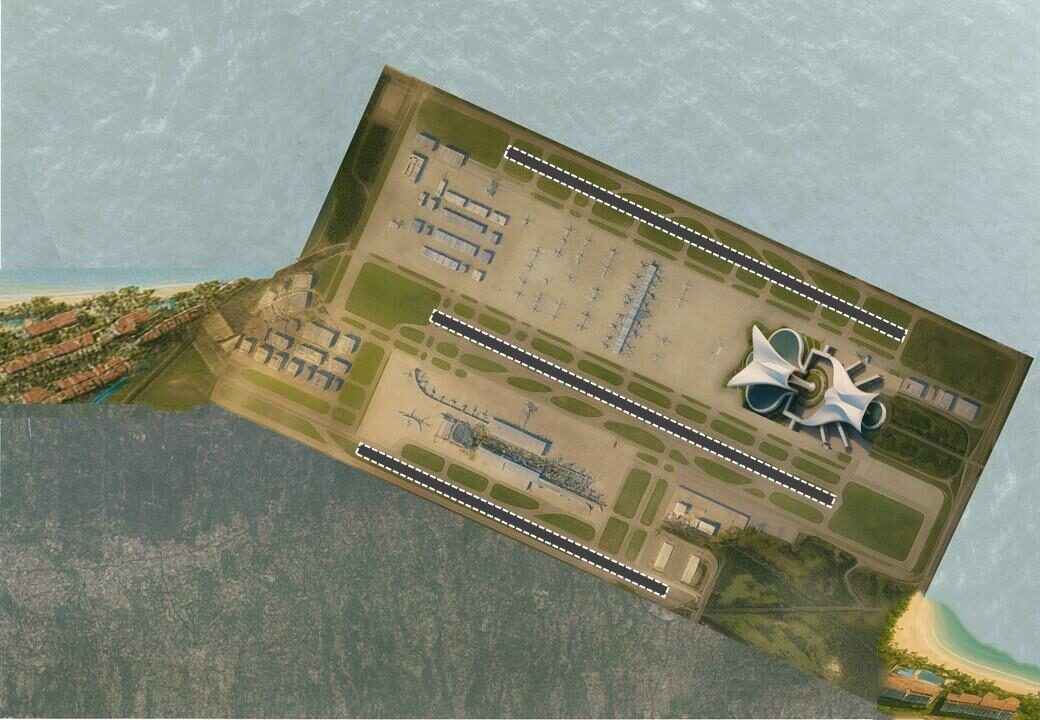
North Bali International Airport (NBIA) is envisioned not merely as an airport, but as a long-term economic ecosystem integrating aviation infrastructure, logistics and cargo connectivity, tourism and hospitality, commercial and urban development, and smart sustainable infrastructure. Strategically positioned in North Bali, NBIA addresses the structural capacity limitations of Bali’s existing airport infrastructure while supporting Indonesia Vision 2045 through enhanced connectivity, regional economic rebalancing, and sustainable growth.
Developed under a 100% private investment Build–Own–Operate structure, NBIA represents Indonesia’s first fully privately financed international airport project, with no dependency on APBN state funding.
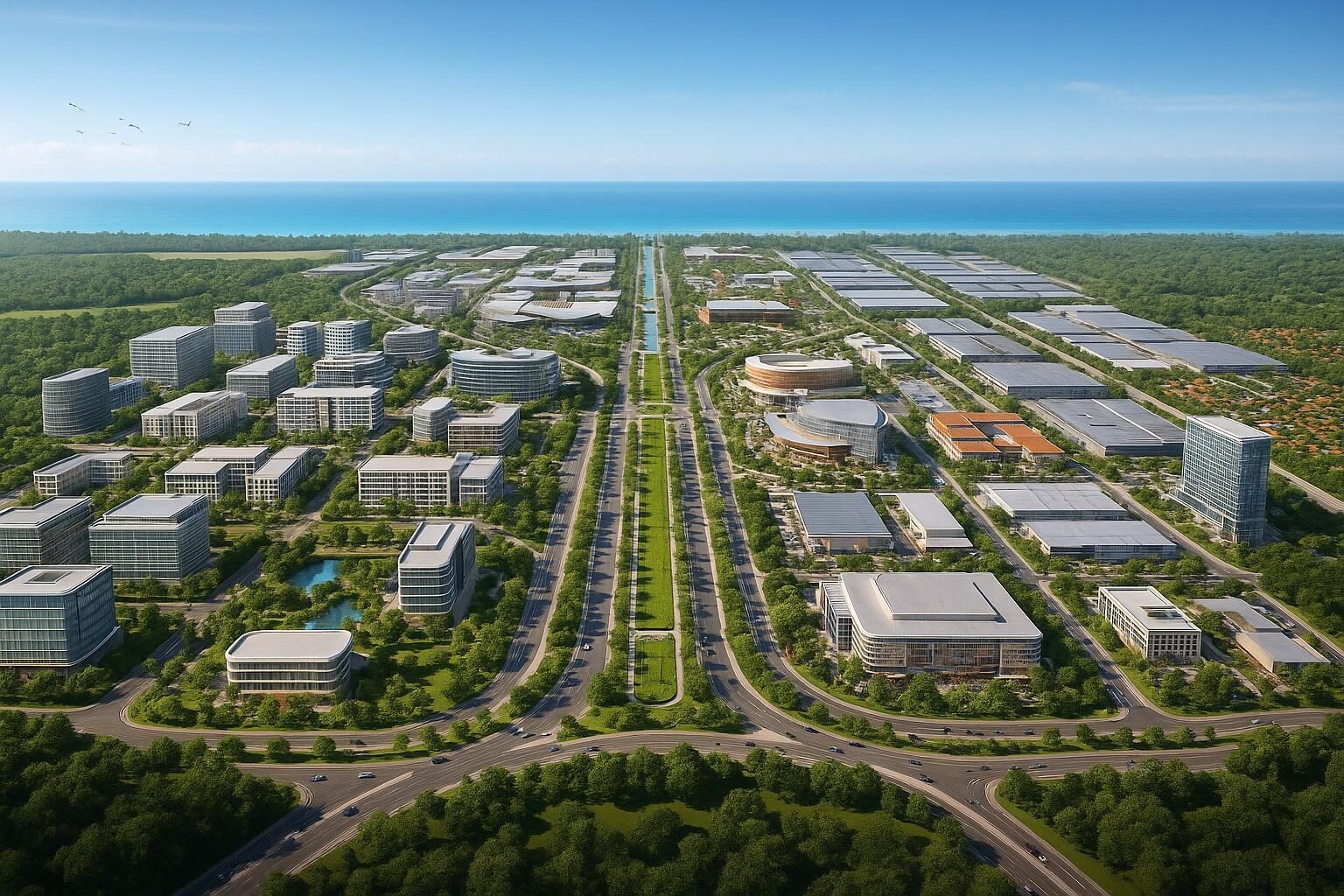
1,600 hectares organized into three integrated zones, forming a single cohesive airport-city.
Bali’s Structural Aviation Capacity Gap
Ngurah Rai International Airport (DPS) continues to operate under structural constraints — a single runway, severe land limitations, rising South Bali congestion, and approaching slot saturation — placing Bali’s tourism economy at risk of overdependence on a single, capacity-constrained gateway.
NBIA is designed to catalyze a new economic corridor spanning North Bali, distributing tourism and logistics growth beyond South Bali.
Terminal, Logistics, and Sustainability
| Development Phase | Passenger Capacity |
|---|---|
| Phase 1 | 25 million passengers / year |
| Phase 2 | 35 million passengers / year |
| Ultimate Phase | 50 million passengers / year |
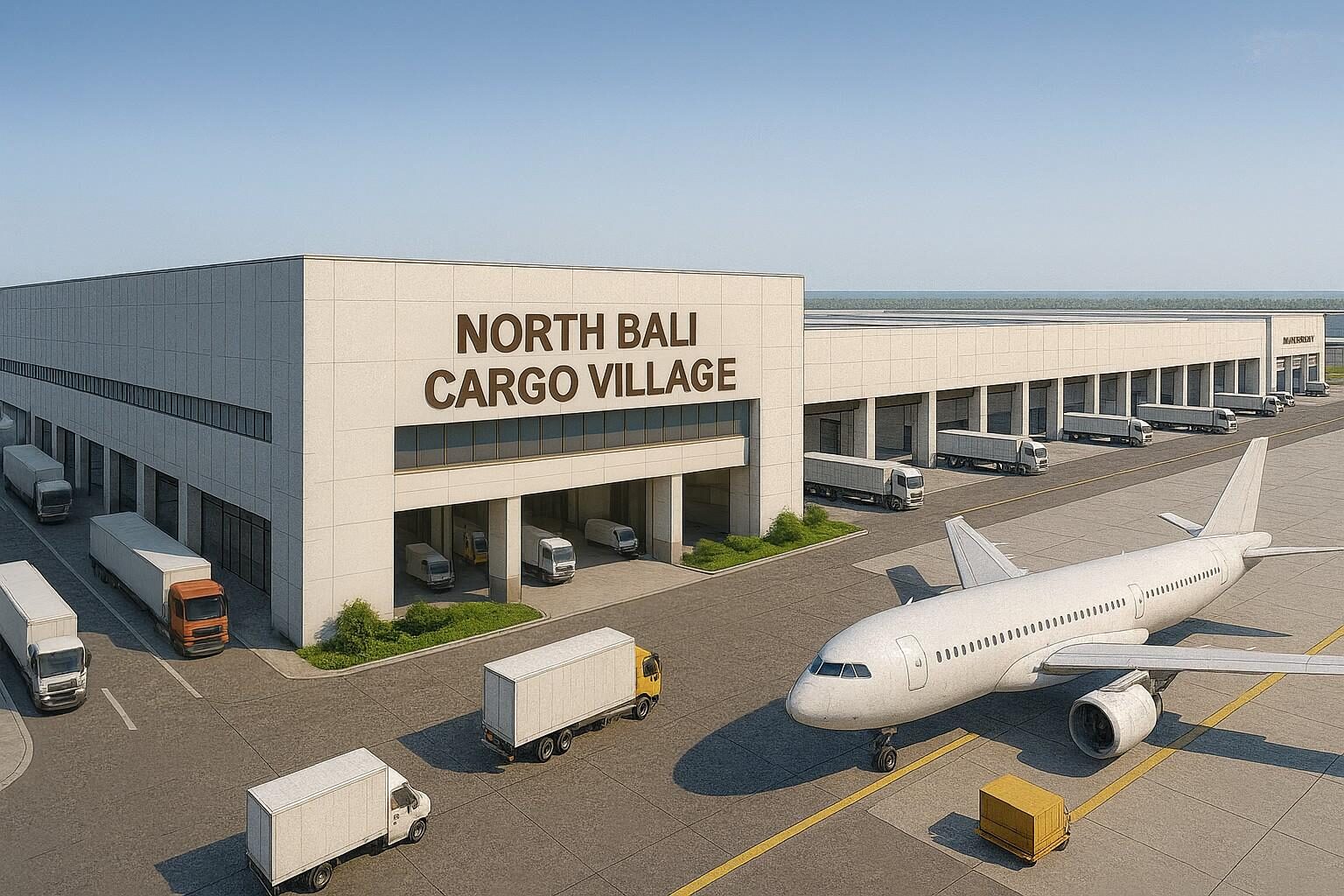
A diversified logistics ecosystem anchoring NBIA as a regional trade and cargo platform.
| Component | Strategic Role |
|---|---|
| Free Trade Zone | International trade facilitation |
| E-Commerce Hub | ASEAN fulfillment center |
| Cold Chain Logistics | Seafood and pharmaceutical logistics |
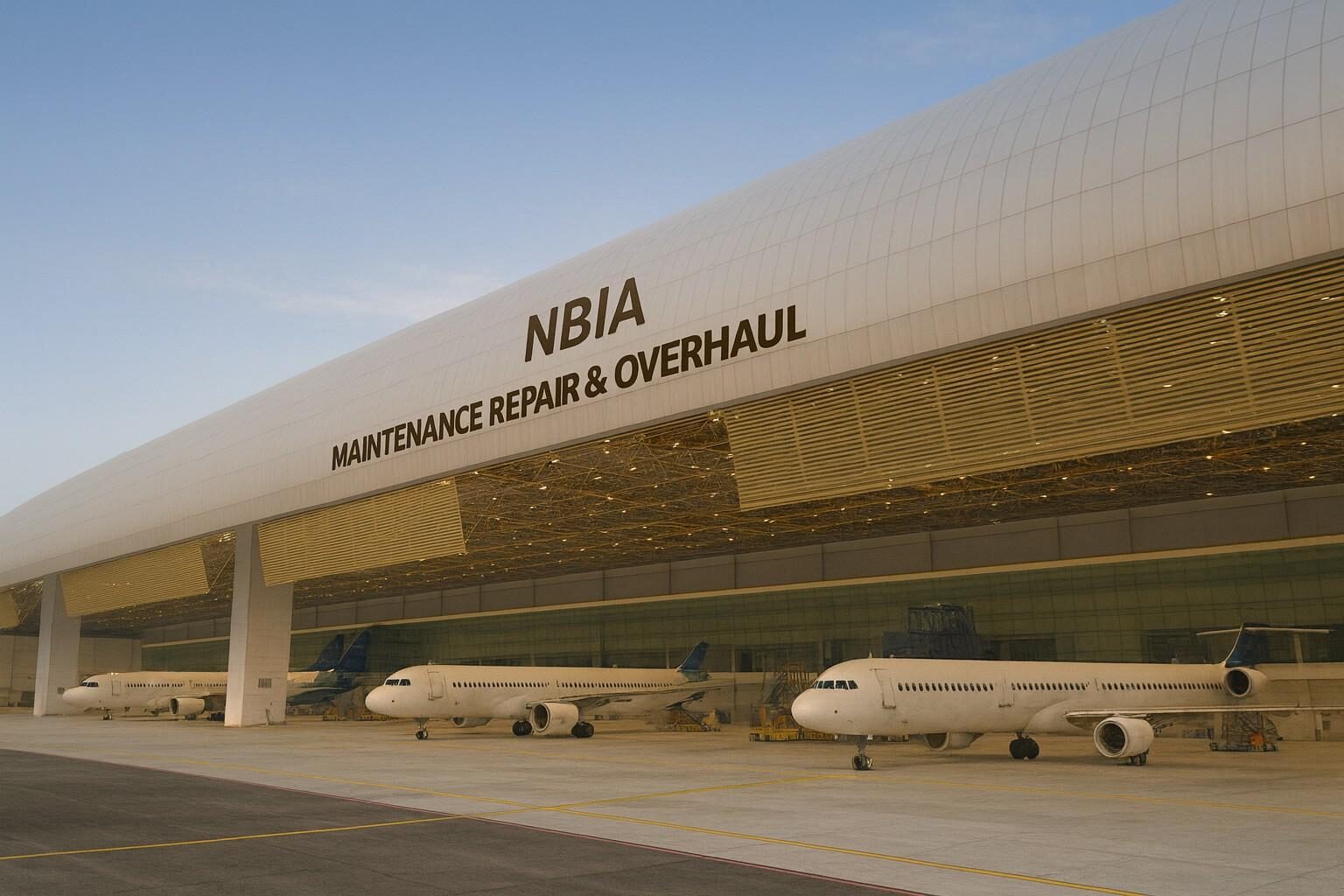
| MRO Facilities | Aviation maintenance ecosystem |
| Bonded Warehousing | Regional cargo distribution |
| Sea–Air Integration | Celukan Bawang multimodal logistics |
NBIA is designed as Indonesia’s first net-zero-ready aerotropolis, aligned with IFC Performance Standards, the Equator Principles, ADB Safeguards, LEED Gold, the ICAO Environmental Framework, and ISSB Sustainability Disclosure Standards.
| ESG Category | Strategic Target |
|---|---|
| Renewable Energy Share | 60% by 2038 |
| Solar Capacity | 15 MWp |
| Water Recycling | 85% reuse |
| Carbon Neutrality | Net-zero by 2040 |
| EV Ground Fleet | 100% transition |
| Local Employment | ≥45% of workforce |
Total Funds Required: USD 7.019 Billion
| Risk Category | Mitigation Strategy |
|---|---|
| Construction Risk | Fixed-price EPC consortium |
| Geotechnical Risk | Global marine engineering advisors |
| Demand Risk | Diversified tourism and logistics demand |
| Currency Risk | USD-linked revenue hedging |
| Interest Rate Risk | Fixed-rate financing |
| Regulatory Risk | Government strategic alignment |
| Climate Risk | 100-year resilience engineering |
| ESG Risk | IFC-compliant safeguards |
Where the Ocean Meets the Sky
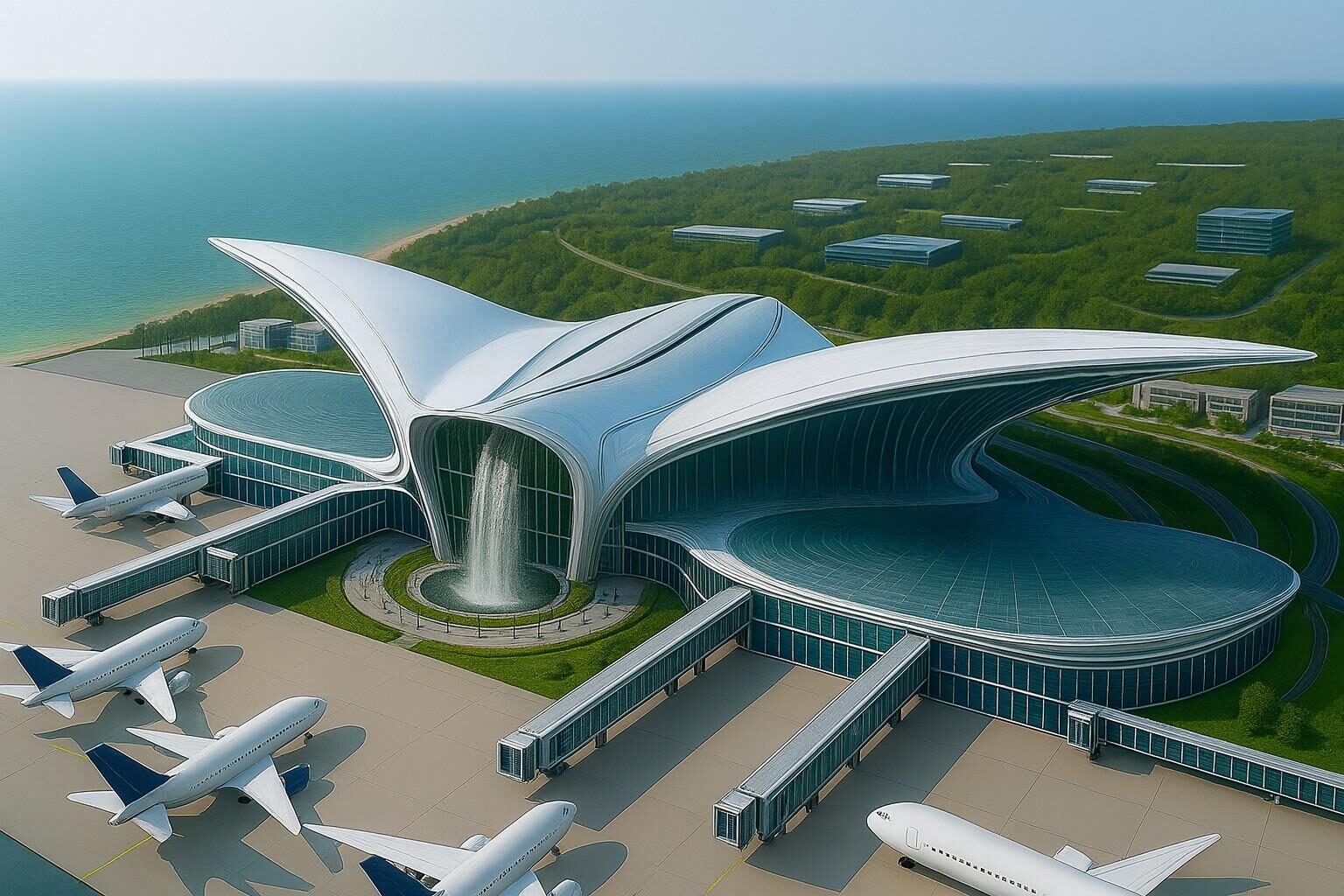
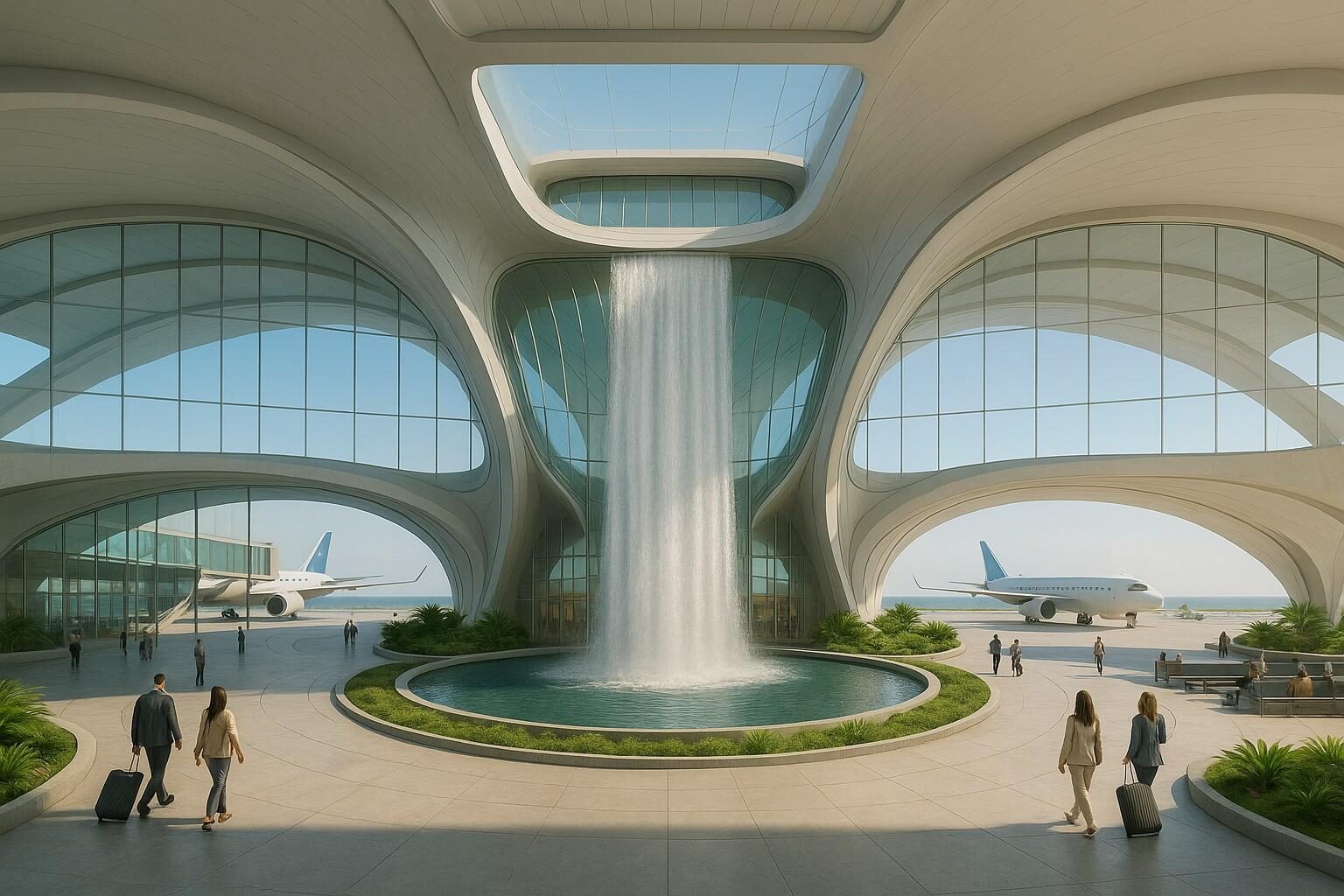
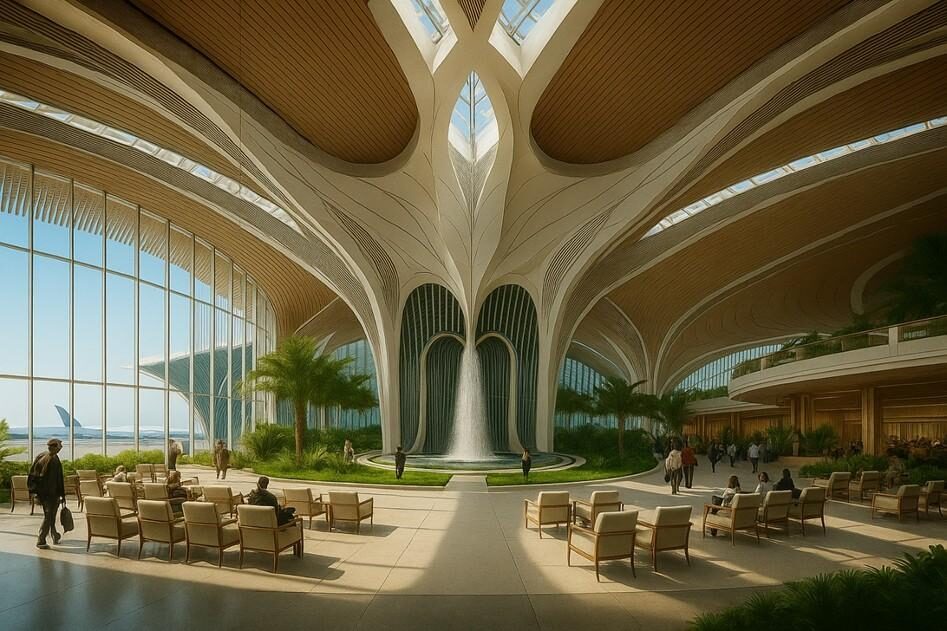
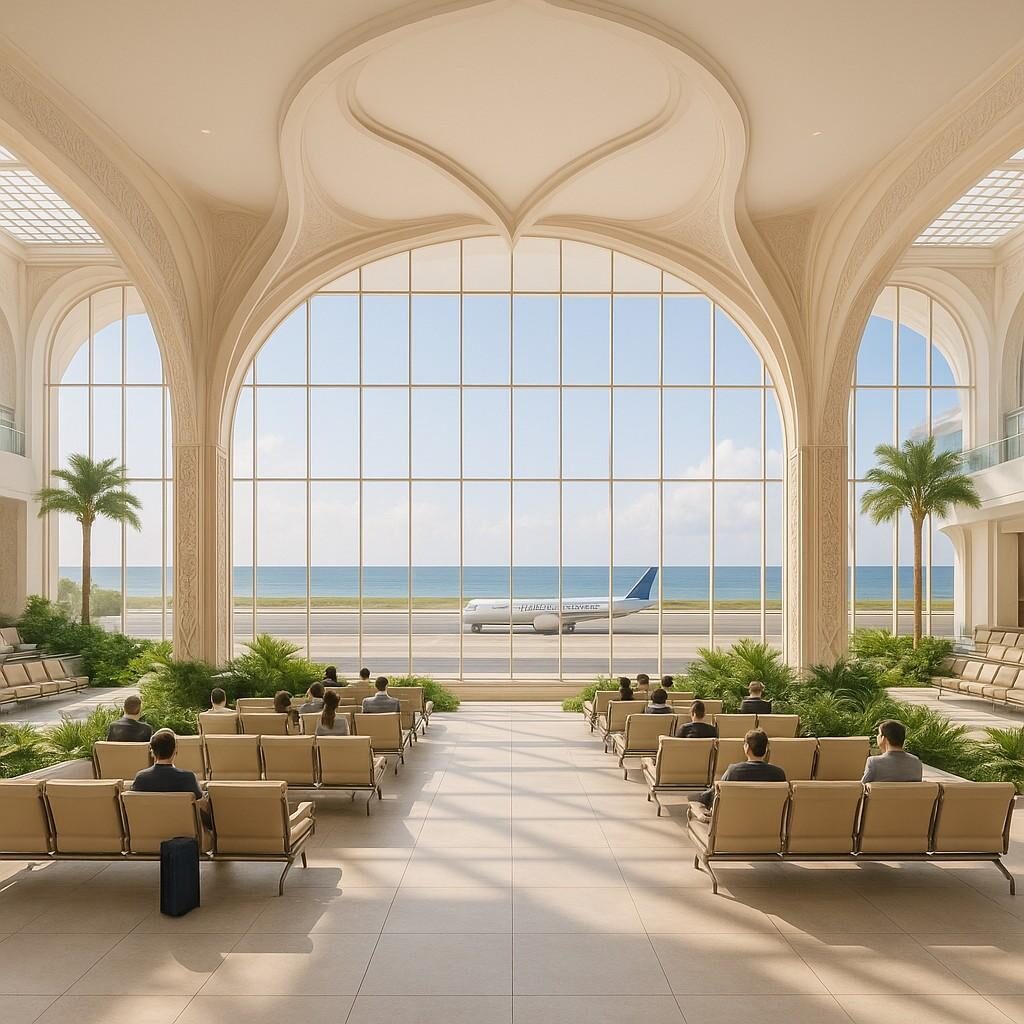
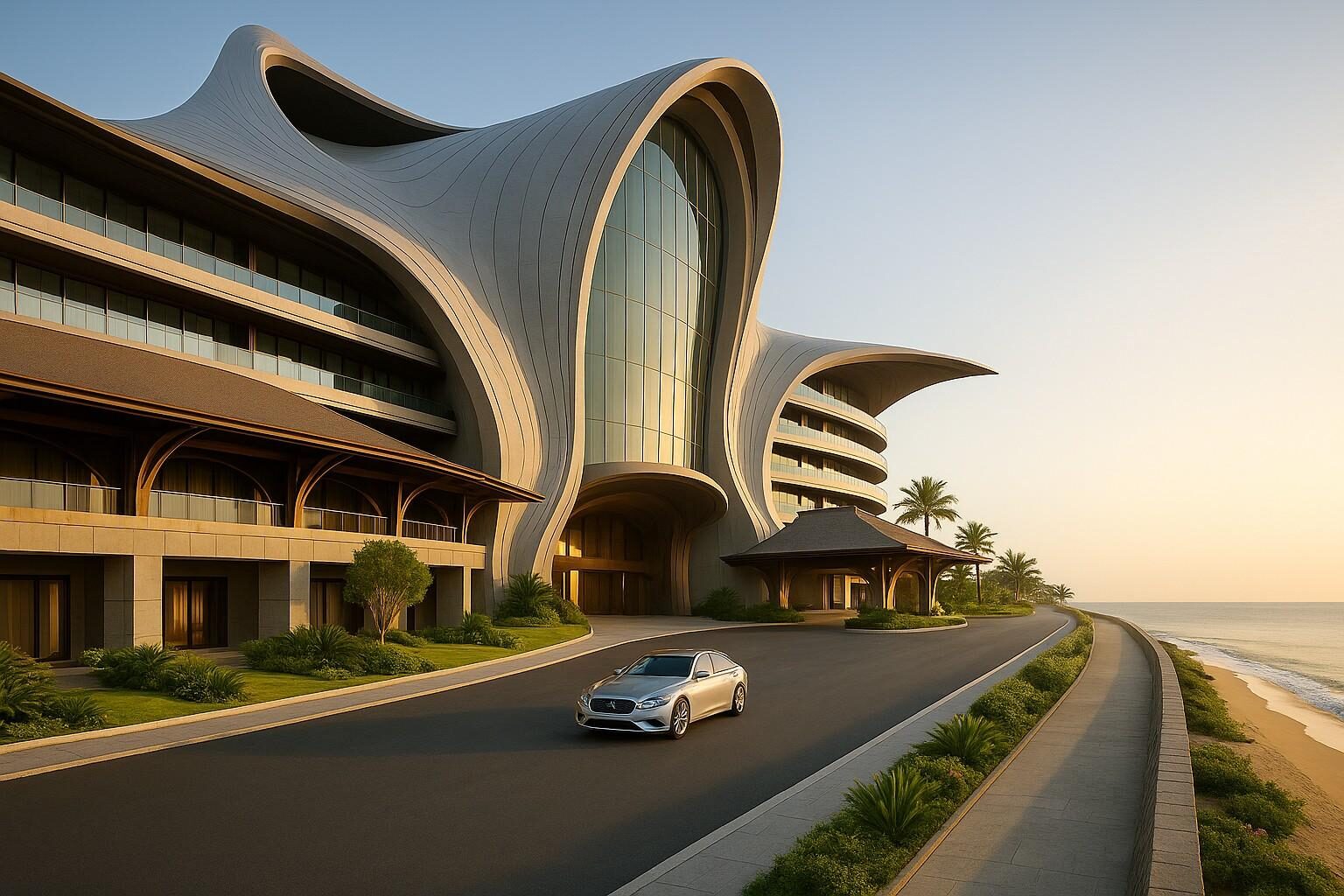
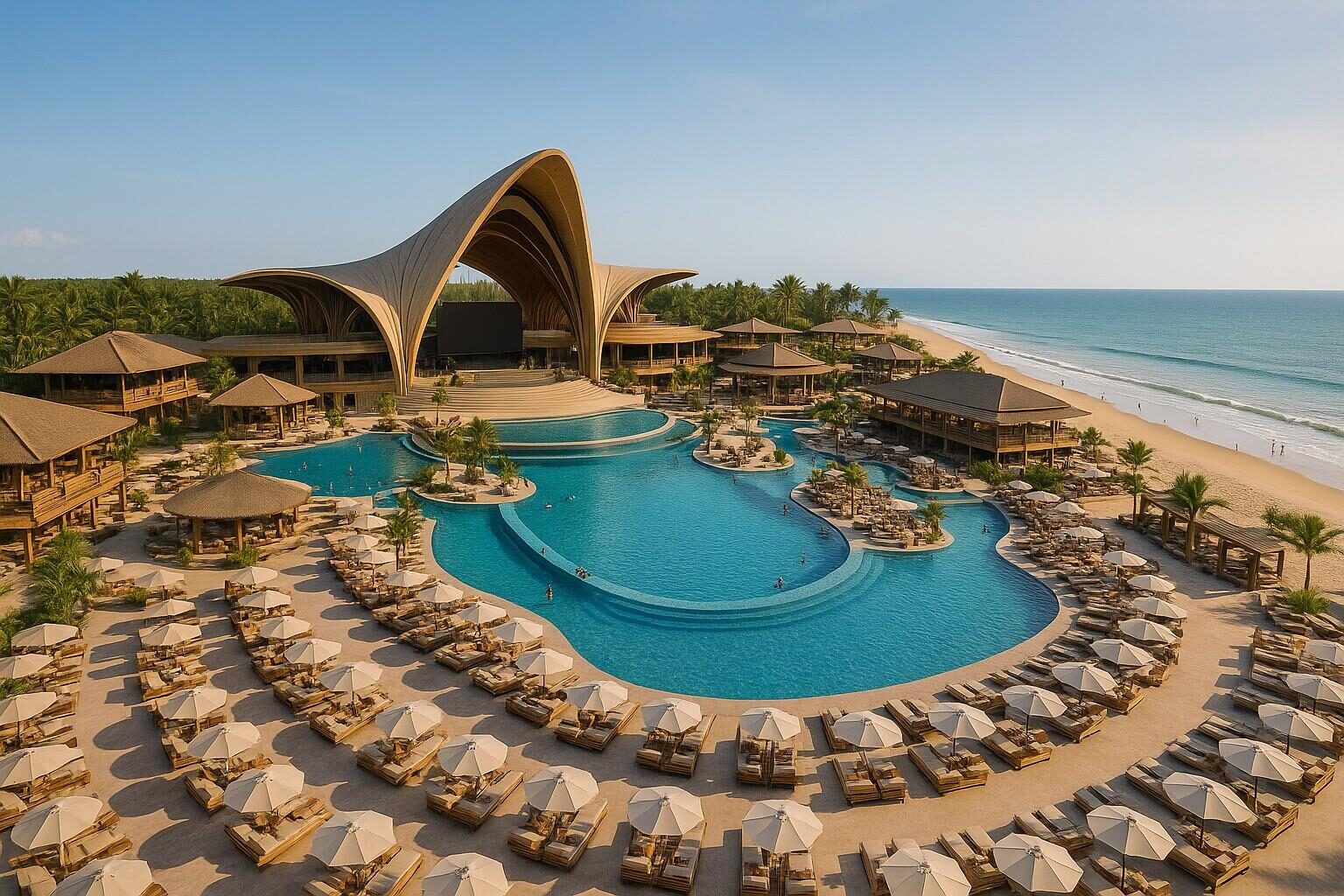
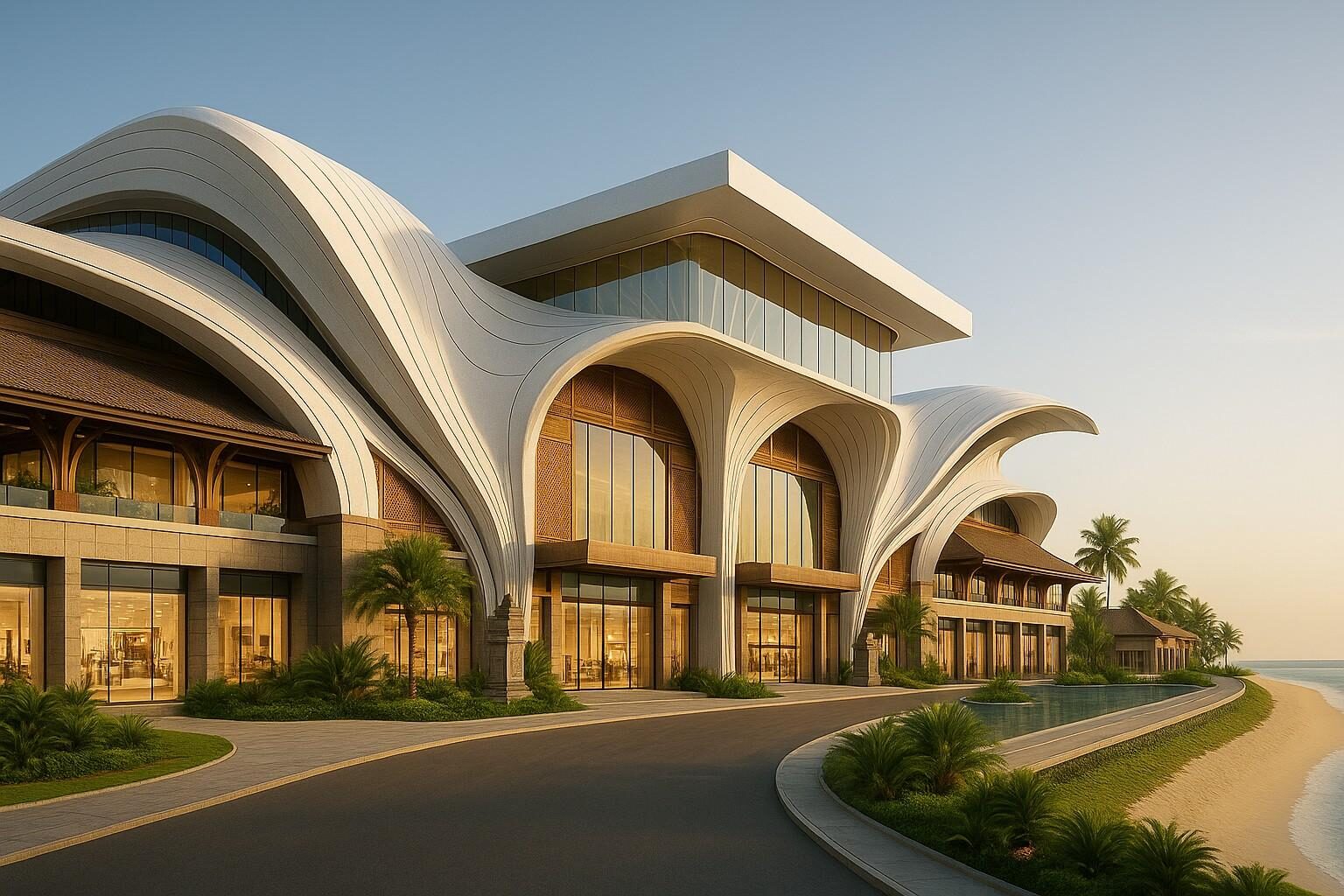
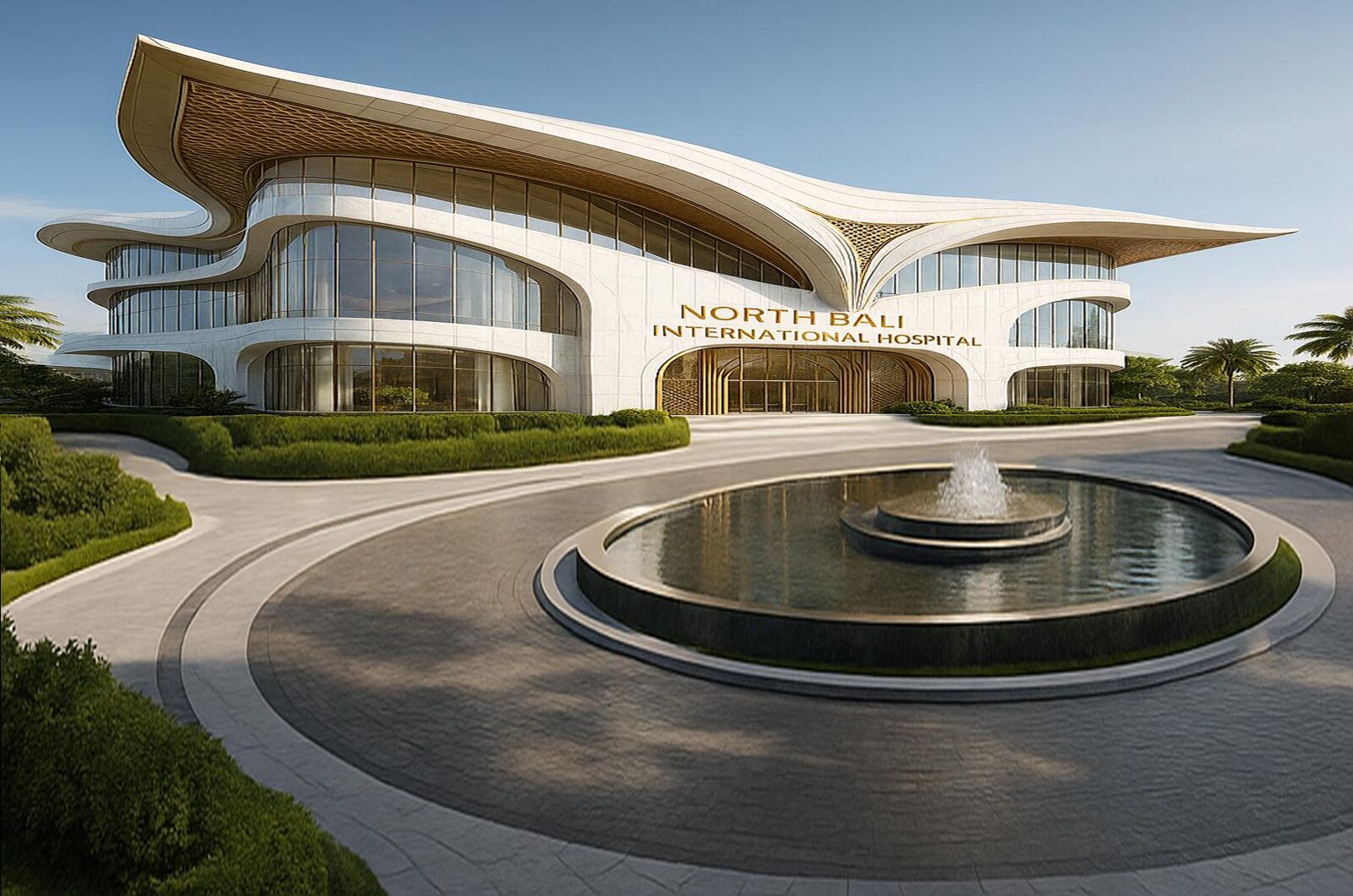
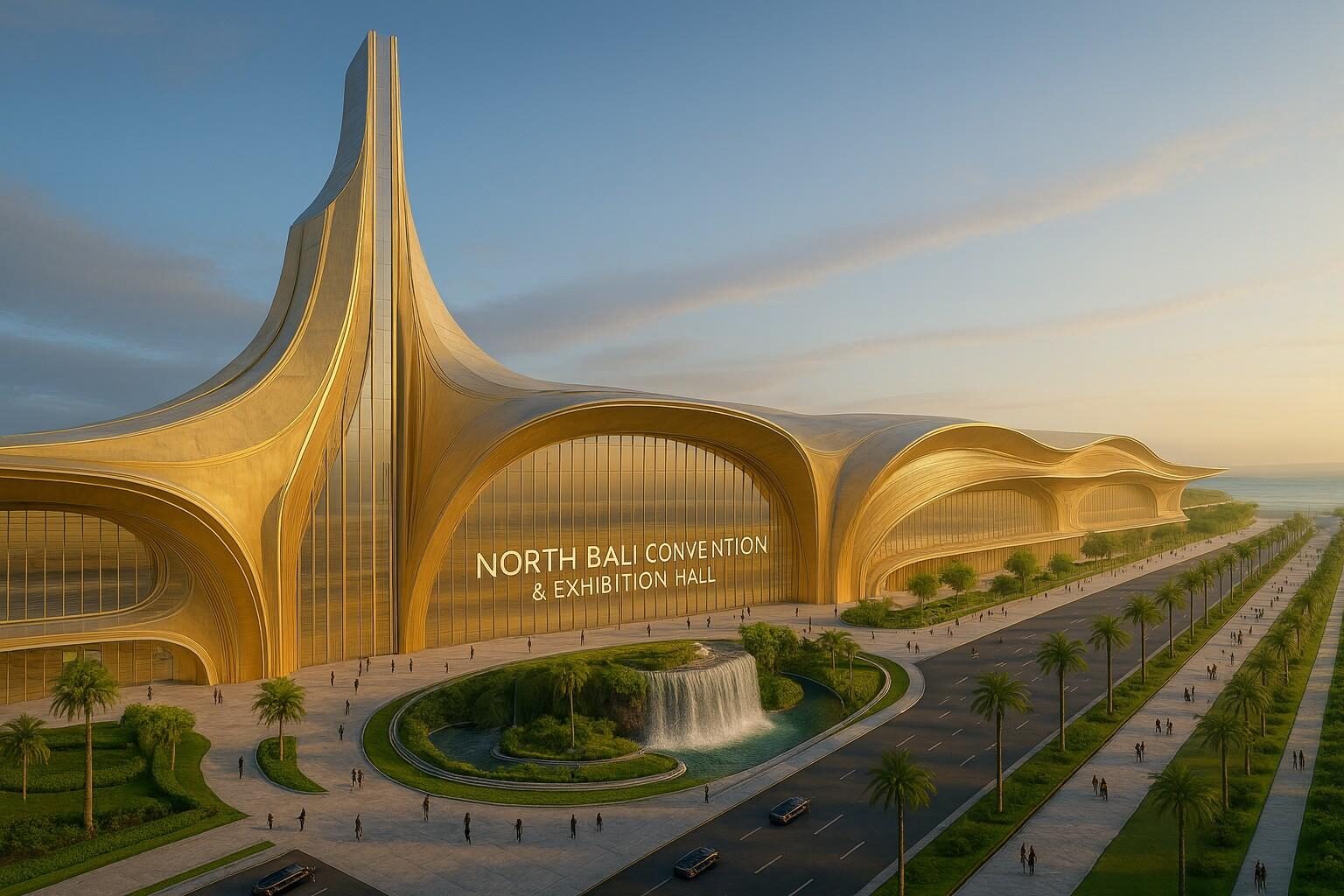
The terminal architecture adopts fluid aerodynamic forms inspired by ocean waves, tropical wind currents, and the wingspan of Garuda, Indonesia’s national symbol — reflecting modern elegance, sustainability, and Balinese spiritual values.




Explore Our Other Projects
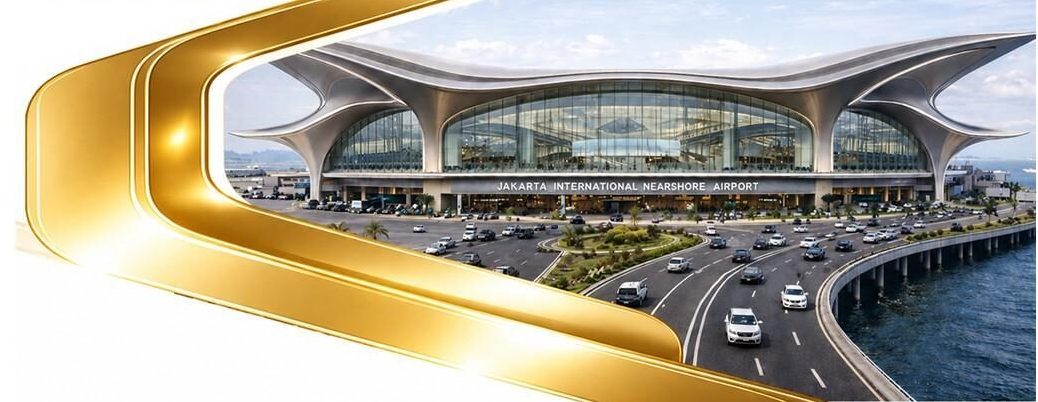
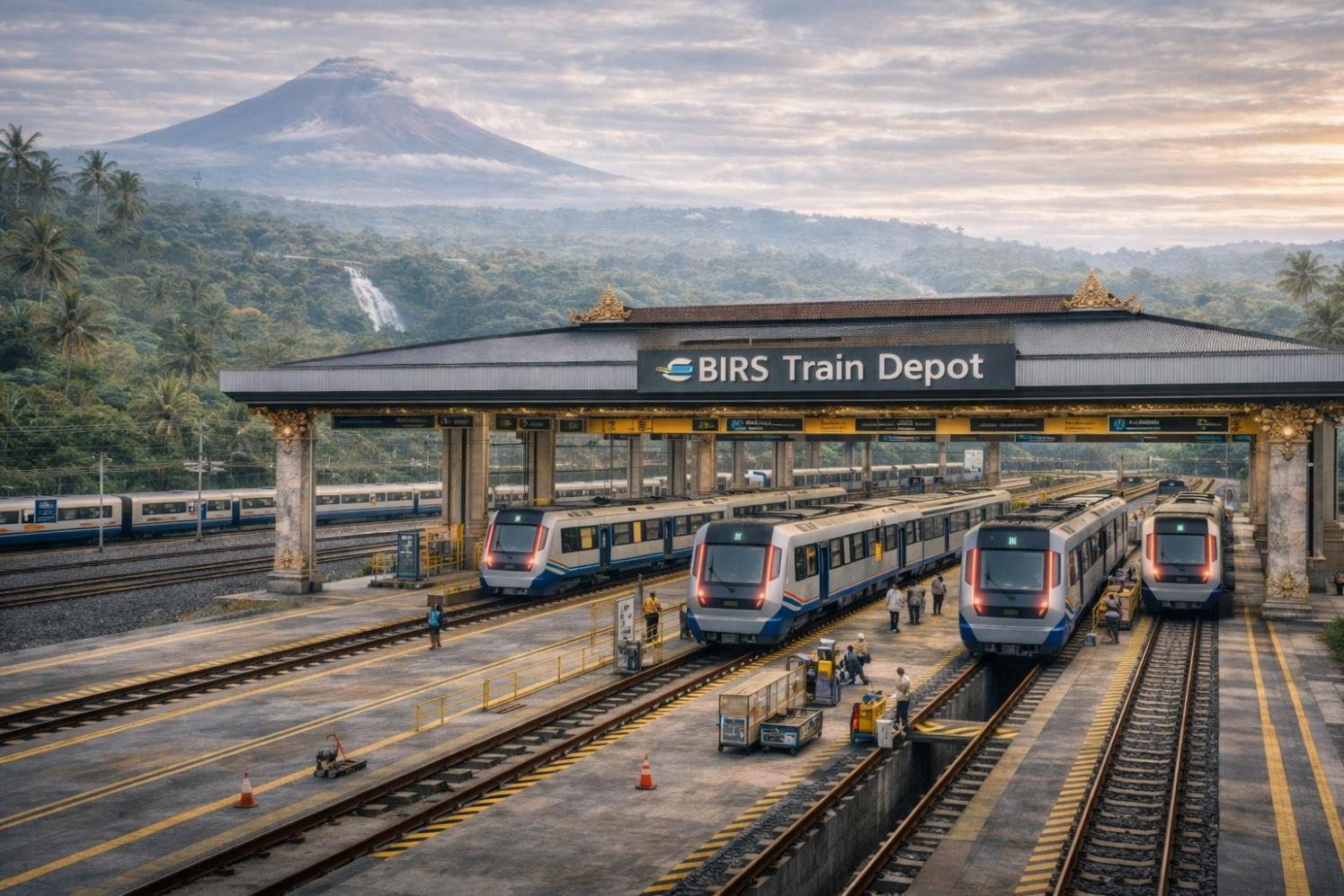
NBIA is one of three pipeline entries currently in origination at PT Infinity International Corpora.
Connect with our investor relations team to discuss investment opportunities, strategic partnerships, or technical collaboration for North Bali International Airport.